

Knowledge means little if it isn’t shared. We believe expertise should empower others to prepare, protect, and lead.

Event Security Is Emergency Management in Disguise
Most people think event security starts and ends with guards and uniforms. In reality, effective event security is emergency management applied to a specific time, place, and population. From medical coverage and crowd flow to command structure and contingency planning, real security is built long before the first attendee arrives. When an event escalates into an incident, success depends on whether planning was proactive or reactive.

Harnessing Real-Time Situational Awareness in Physical Security Planning
Physical security planning often relies on static information, yet real-world conditions rarely remain static. This post explores how real time situational awareness strengthens planning, advance assessments, and ongoing risk and vulnerability work by aligning decisions with current conditions rather than fixed assumptions.

Why Ongoing Risk and Vulnerability Assessments Are the Bridge Between Physical Security and Emergency Management
Physical security and emergency management are often treated as separate disciplines, but they are built on the same foundation. Risk and vulnerability assessments are the connective tissue between them. When assessments become static, preparedness drifts from reality. When they remain ongoing, resilience becomes intentional.
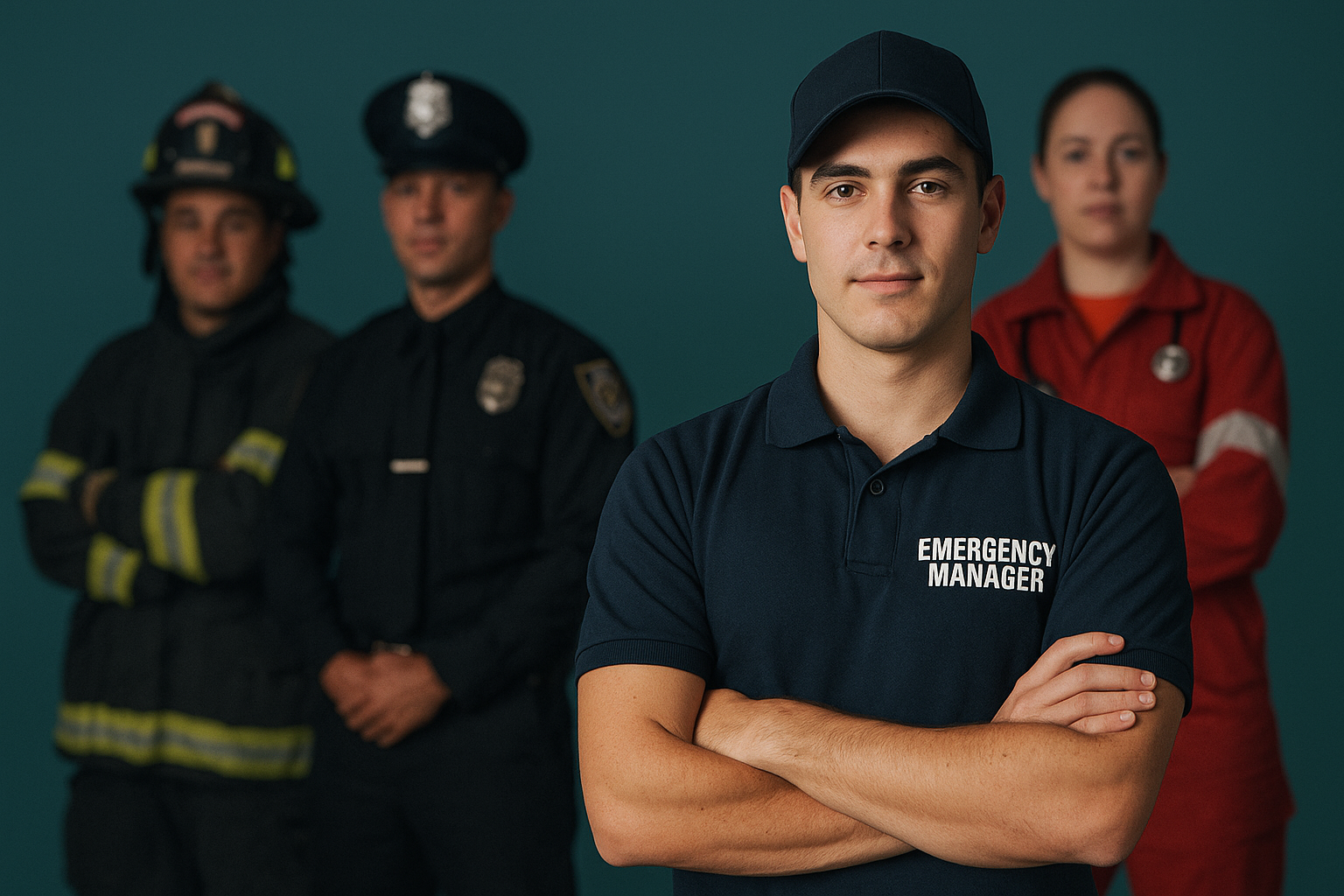
The Overlooked Profession: Why Emergency Management Needs a New Generation of Practitioners
Emergency Management rarely appears on “top public safety careers” lists, yet it is one of the most critical professions shaping how communities prepare for, respond to, and recover from disasters. Its absence reflects a larger issue: the field is still widely misunderstood, under-recognized, and often treated as a late-career transition instead of a profession people intentionally pursue. As seasoned practitioners retire, we are losing decades of institutional knowledge without a strong pipeline to replace it. Emergency management needs a new generation of professionals who enter early, develop deep expertise, and carry the field forward—and the future of community resilience depends on making that shift now.

Leading When the Sky Turns Gray: The Leadership We Don’t Talk About Enough
Most leaders thrive when everything is smooth, but the true test comes when conditions shift, pressure rises, and uncertainty takes control. This article explores why gray-sky leadership matters, why it is different from everyday leadership, and why we must develop it early in public safety and emergency services.

The Common Thread: Why Physical Security and Emergency Management Are One and the Same Mission
Physical security, executive protection, and emergency management are often treated as completely separate professions, but the more time you spend in these worlds, the more you realize how interconnected they truly are. While they differ in scope and scale, they operate from the same foundation of risk awareness, preparedness, and protecting people when things go wrong. Physical security fits within the broader mission of emergency management, yet the two share far more in common than most practitioners acknowledge. When you peel back the labels, you discover a unified approach built on anticipation, adaptability, and resilience. This article explores why these fields overlap so strongly, where they diverge, and how understanding both creates a more capable, well-rounded professional.

It Doesn’t Take Rocket Science, It Takes a Hand Raise
In the world of emergency management and public safety, the most valuable people aren’t the ones chasing titles—they’re the ones willing to do whatever needs to be done. This article explores how ego and hesitation can create gaps in disaster response, and why humility, flexibility, and a raised hand often make the difference between chaos and coordination. True service starts when pride steps aside and purpose steps forward.

The Value of Field Experience in Emergency Management
Field experience remains one of the most irreplaceable elements of professional growth in emergency management. While classroom learning builds the foundation, only real-world deployment can teach practitioners the empathy, adaptability, and decision-making required during crisis response. This article explores the importance of balancing academic preparation with firsthand experience, highlighting how exposure to real disasters shapes better leaders, strengthens communication, and builds the emotional intelligence needed to serve communities effectively.

Breaking the Cycle: Embracing the Next Generation of Practitioners
Too often, organizations view young professionals as competition instead of opportunity. In public safety, security, and emergency management, this mindset stifles innovation and slows progress. This article challenges that culture—calling for mentorship, collaboration, and a shift toward empowering the next generation to lead with purpose.